


Closing out the academic year and transitioning to more senior roles is a challenge for the best of us. For the adolescent brain in an exhausted body, this time of year can be especially challenging.
As the final weeks of the academic year draw to a close, the emotional landscape for 16 and 17-year-old school students becomes increasingly complex. For many, these months are a whirlwind of anticipation, relief, anxiety, and reflection. The end of the year signals both an achievement – having navigated the rigors of classes and assessments, and the beginning of a challenging new chapter. This is especially true for students making the significant leap from Year 11 to Year 12, an academic transition marked not only by changes in coursework but also by the psychological shift towards adulthood and future planning.
One of the most notable aspects of this period is a deep sense of exhaustion. After months of sustained effort, late-night study sessions, and balancing extracurricular activities, students often find themselves physically and mentally drained. The adolescent brain, still developing in important ways, is particularly susceptible to stress and fatigue, making the end-of-year period feel even more overwhelming. The final weeks are punctuated by examinations and the pressure to perform, which can amplify feelings of burnout and emotional volatility. Many students describe the sensation as being “on autopilot,” pushing through each day with the knowledge that a break is near, yet also feeling the weight of what is just around the corner.
Amidst this exhaustion, students are acutely aware of the looming transition to the next year level. For those in Year 11, the prospect of entering Year 12 is both thrilling and intimidating. Year 12 is often spoken of in hushed tones, regarded as the most demanding and consequential year of one’s secondary education. The academic expectations rise sharply, and the pressure to achieve strong results becomes more pronounced. Students recognize that, in many ways, Year 12 is a culminating experience: a gateway to university, further study, or the workforce. This knowledge brings a profound sense of responsibility – one that can feel both empowering and burdensome.
Central to this transition is the move from VCE Units 1 and 2 to Units 3 and 4. For many students, Units 1 and 2 serve as an introduction to the VCE system, offering a foundation in subject content and assessment styles. While these units are not without their challenges, they are generally seen as a time to experiment, make mistakes, and build confidence. However, the step up to Units 3 and 4 is widely regarded as a significant escalation. The content becomes more complex, the assessments more rigorous, and the stakes considerably higher. These units are directly tied to students’ final study scores and ATAR results, intensifying the sense of urgency and importance.
The increased difficulty of Units 3 and 4 is not just academic; it is also emotional and psychological. Many students report feeling unprepared for the sheer volume of material, the speed at which content is covered, and the need for greater independence in learning. The transition often requires a shift in mindset – from simply completing tasks to mastering material, from passive learning to active engagement. It is not uncommon for students to experience self-doubt during this time, questioning whether they are capable of meeting the new demands. This can be both a humbling and motivating experience, pushing students to develop stronger study habits, seek support from teachers and peers, and cultivate resilience.
Beyond academics, the transition from Year 11 to Year 12 – and into Units 3 and 4 – brings with it a host of social and emotional changes. Friendships may shift as students’ priorities change, and the increased workload can strain relationships both at school and at home. Many students feel the pressure to “get serious,” to put aside distractions and focus on their goals. This can lead to feelings of isolation or missing out, as the demands of school leave less time for relaxation and socialising. At the same time, there is a sense of camaraderie among Year 12 students, a shared recognition that they are “all in this together.” This collective experience can foster deep bonds and a sense of belonging, providing an important buffer against stress.
Importantly, the end of the academic year is also a time of personal growth and self-discovery. As students reflect on their achievements and setbacks, they gain valuable insights into their strengths, interests, and aspirations. For many, the challenges of transitioning to more senior roles in the school community prompt a re-evaluation of their identity and values. The process is not always comfortable, but it is transformative – preparing students for the demands of adulthood and life beyond secondary school.
In conclusion, the end of the academic year is a pivotal moment for 16 and 17-year-old students, especially those moving from Year 11 to Year 12 and into the demanding world of VCE Units 3 and 4. The journey is marked by exhaustion, anticipation, and a profound sense of transition. While the challenges are significant, they also offer opportunities for growth, resilience, and self-discovery. As students navigate this complex landscape, they lay the groundwork not only for academic success but also for the lifelong journey of learning and personal development.
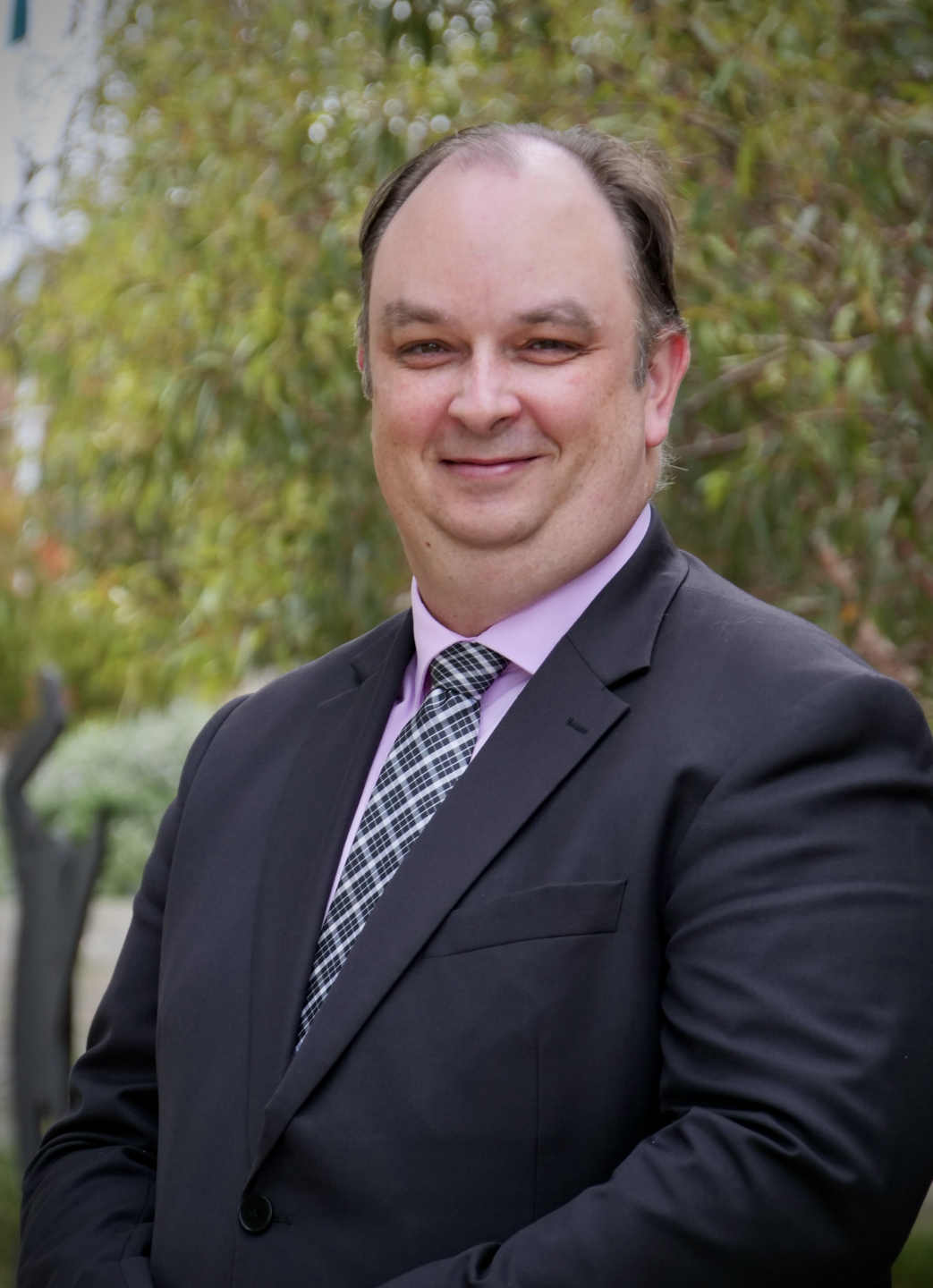
Brett Torstonson
Head of Senior School
Year 9 Peak Pursuit
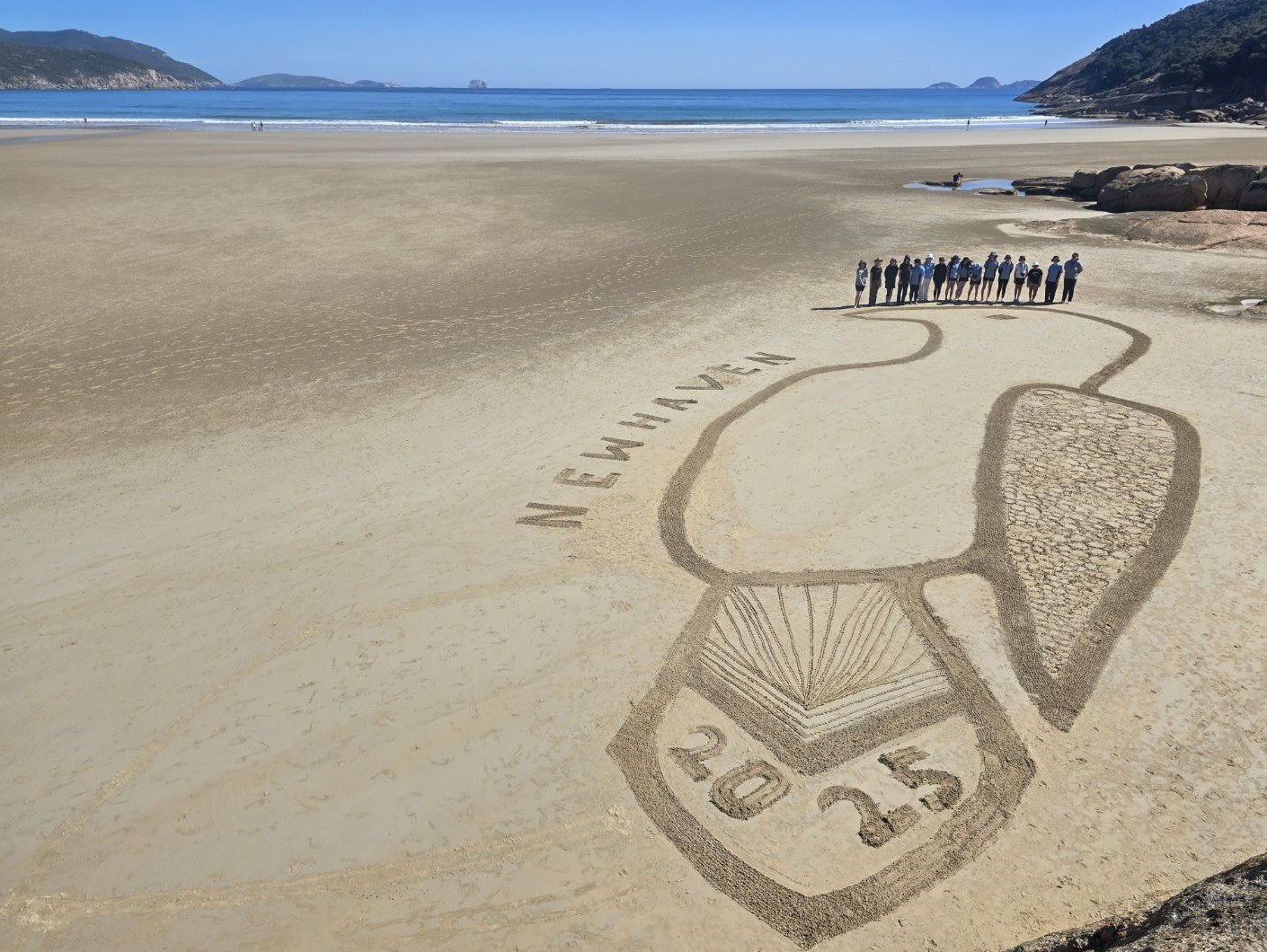
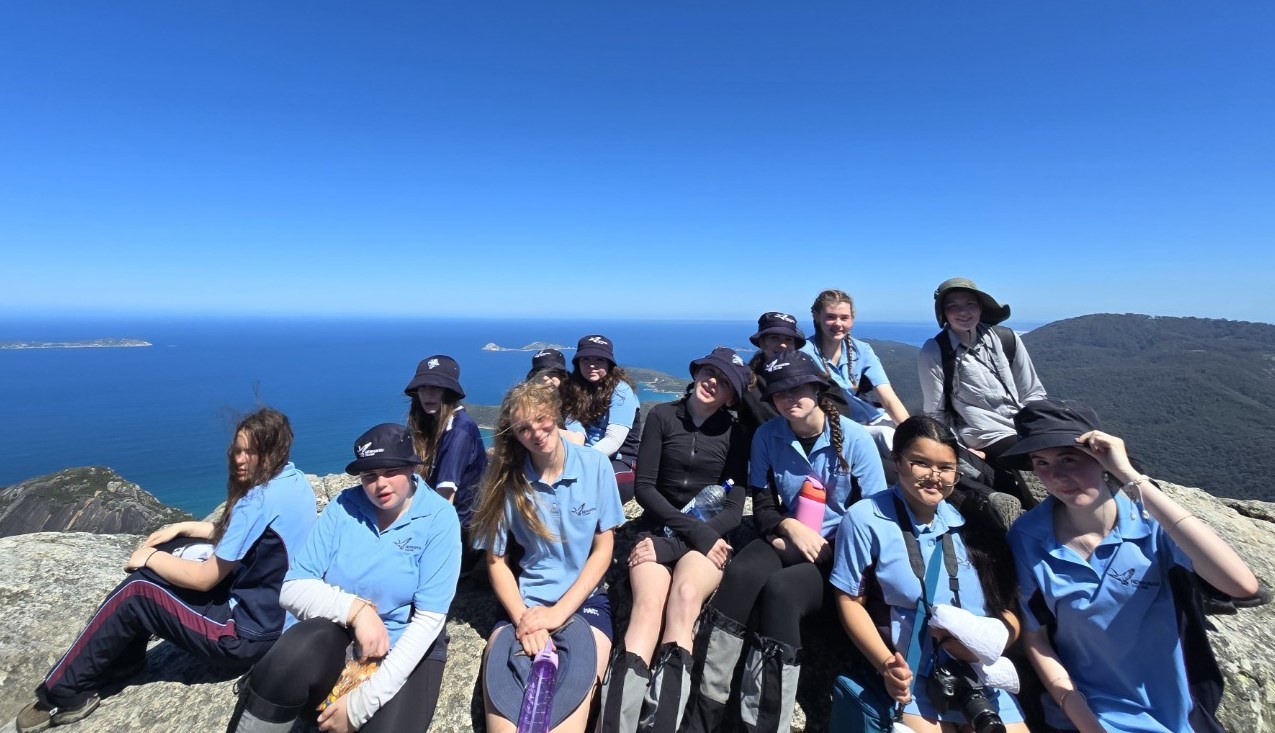
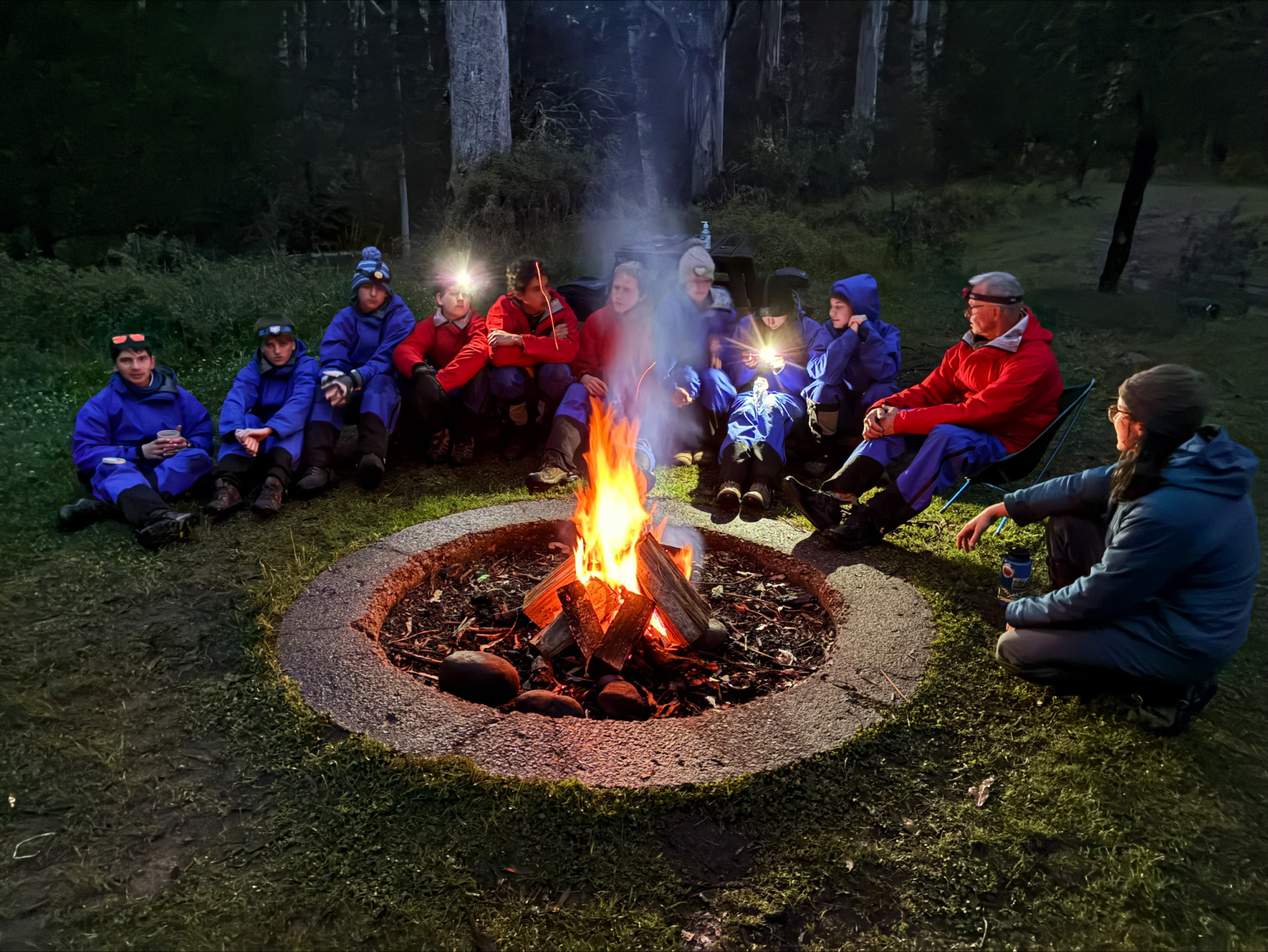
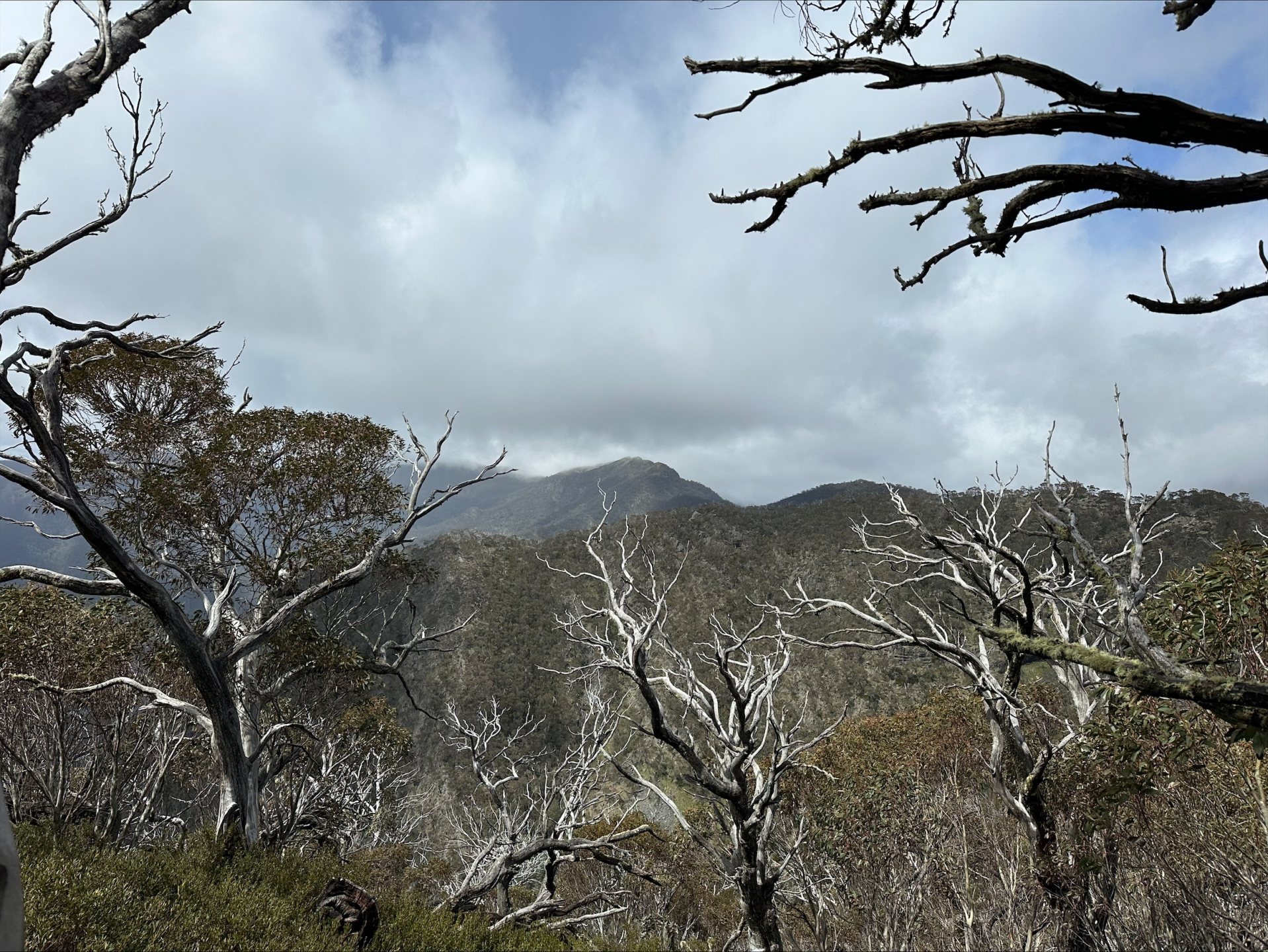
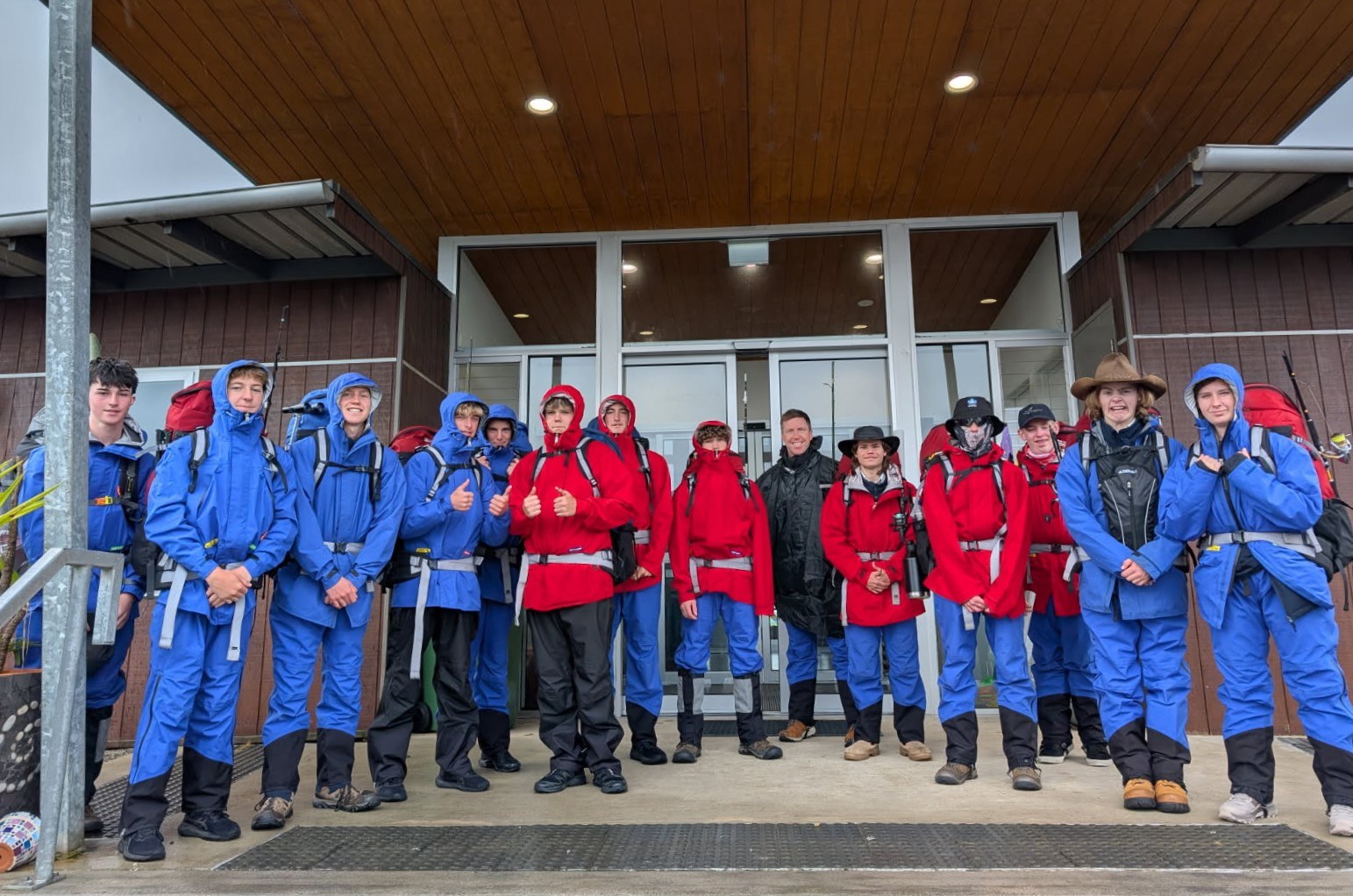
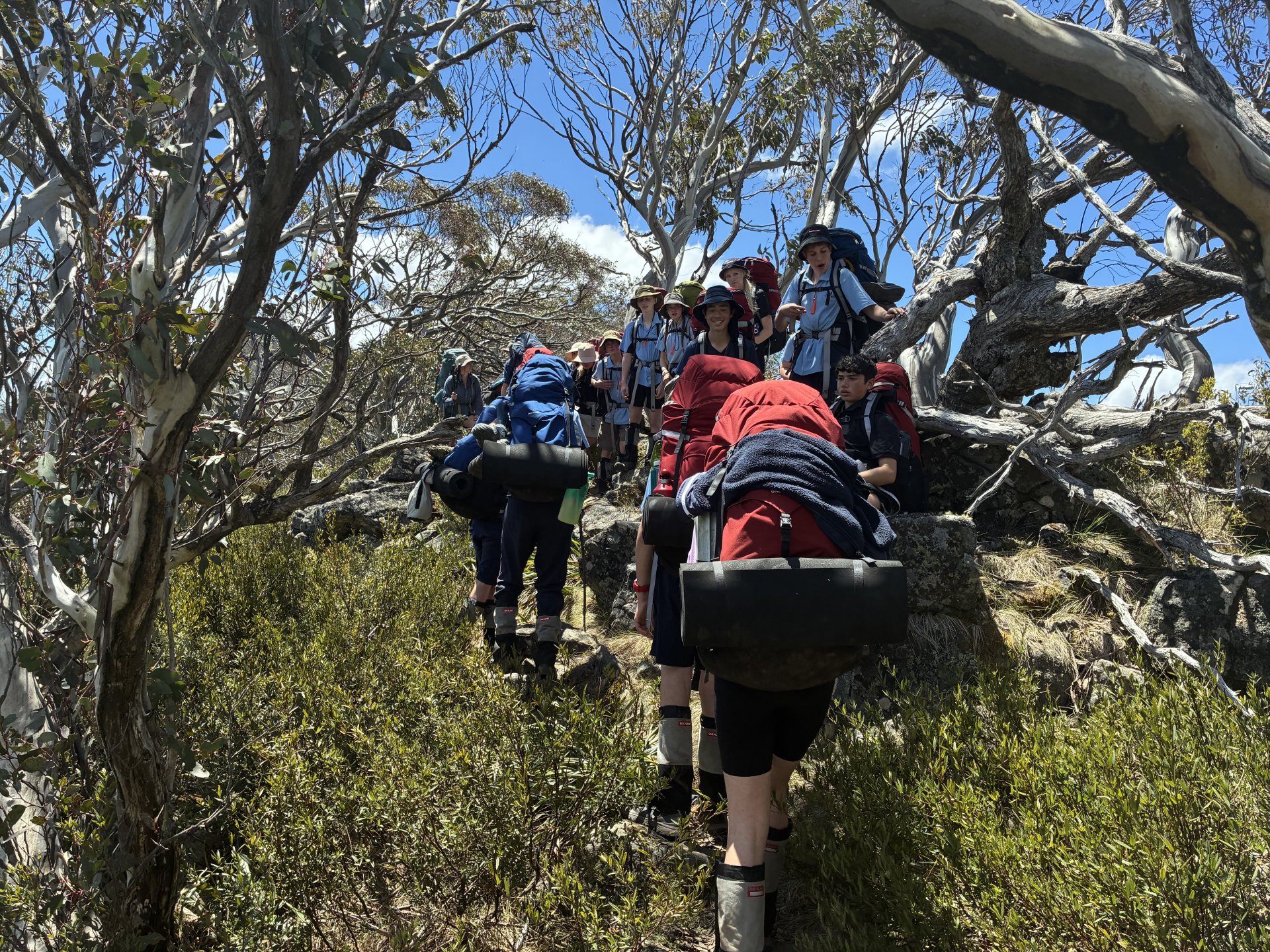
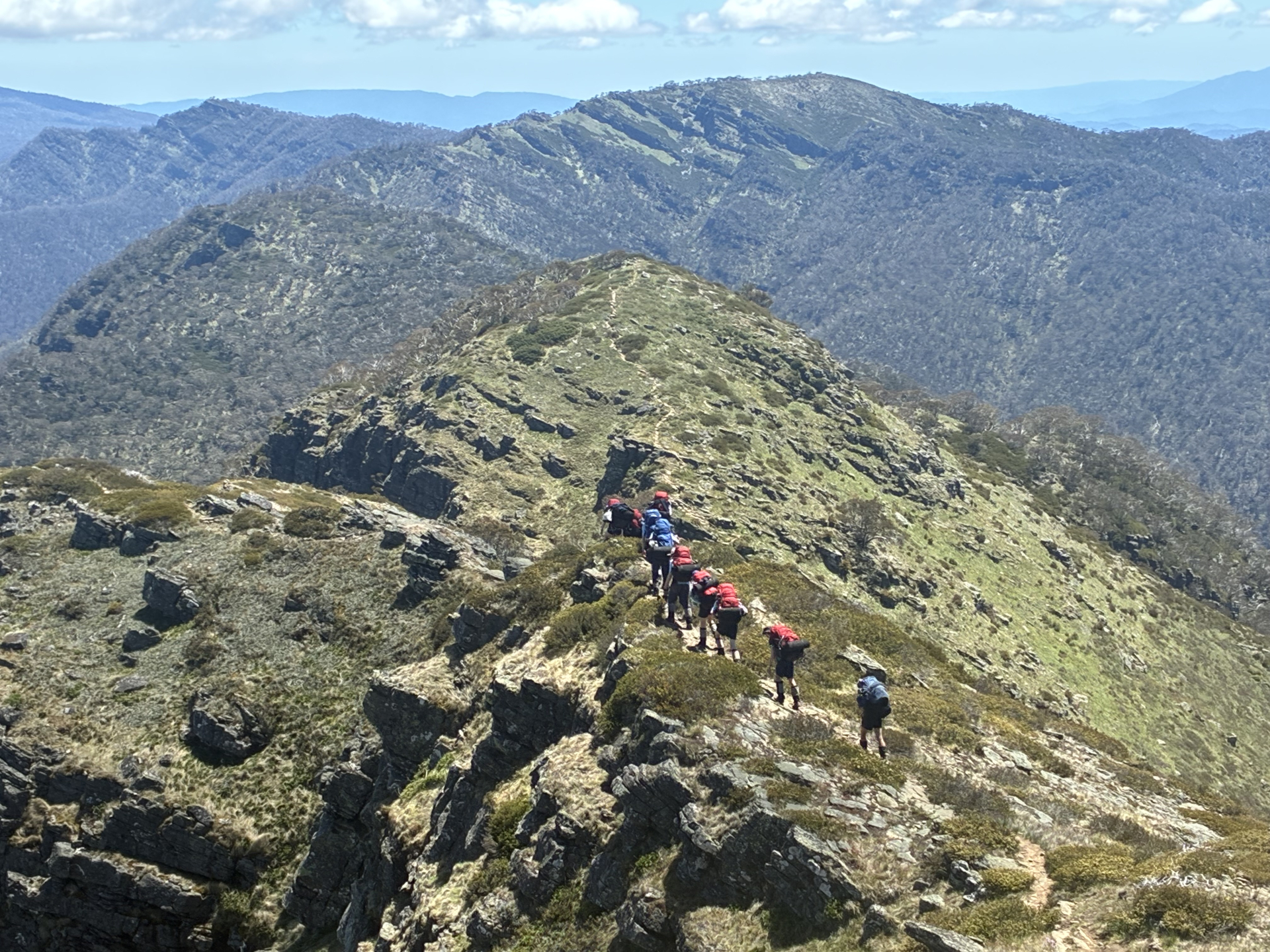
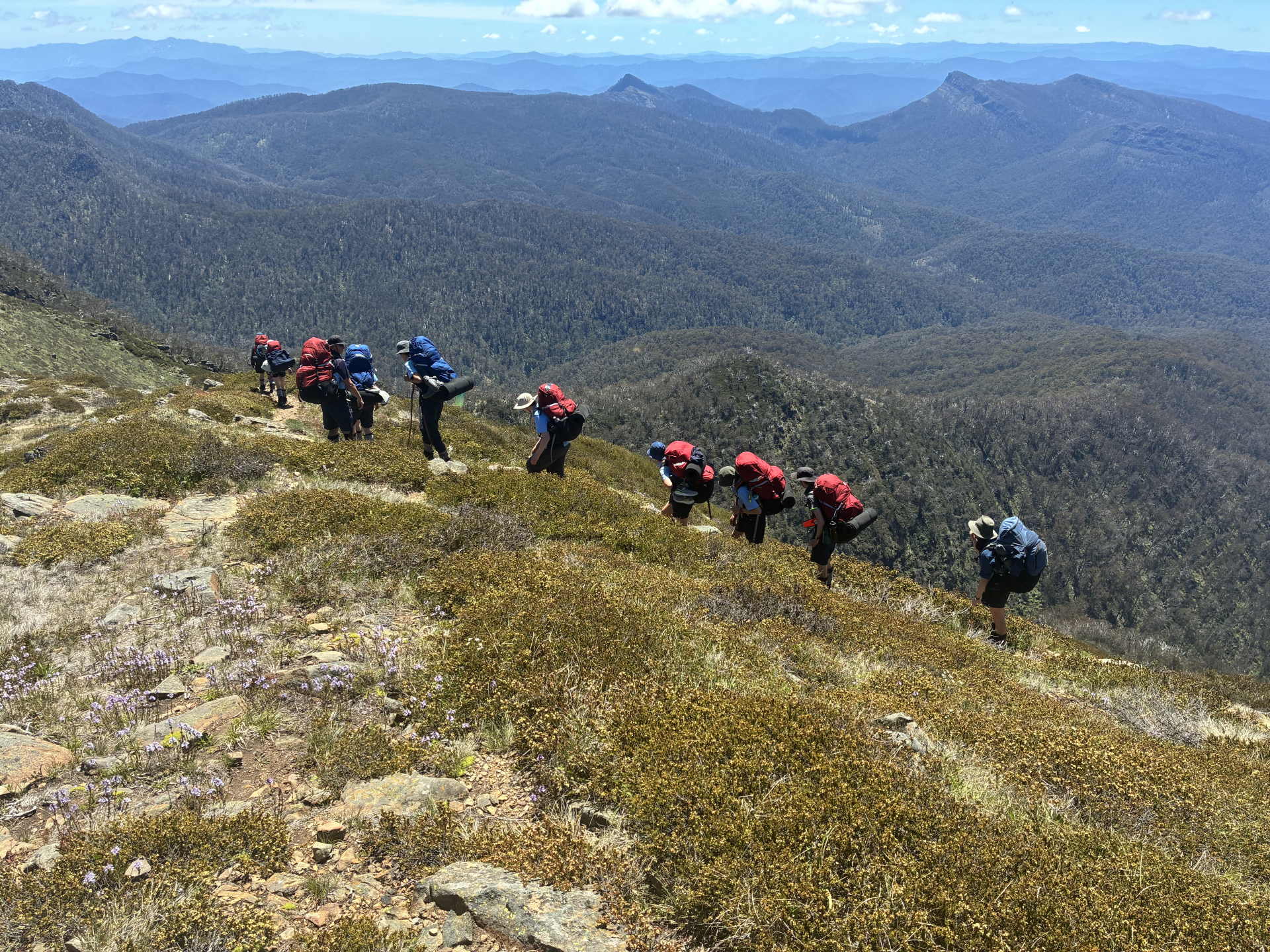
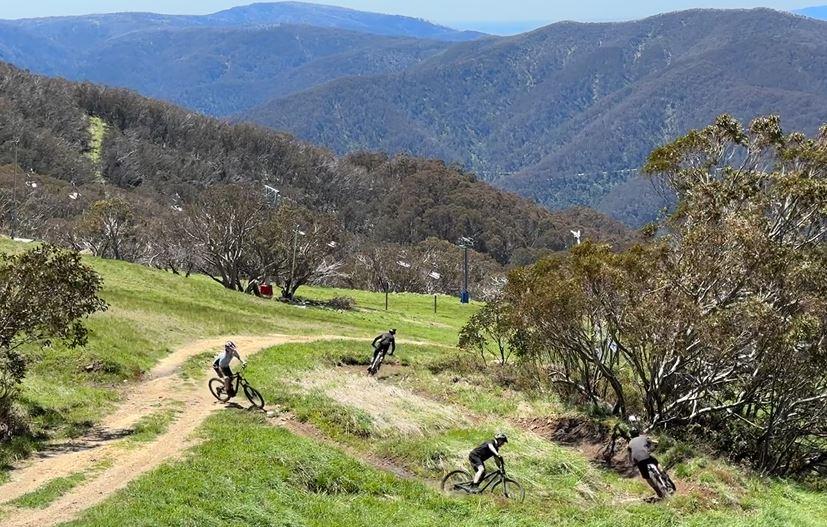
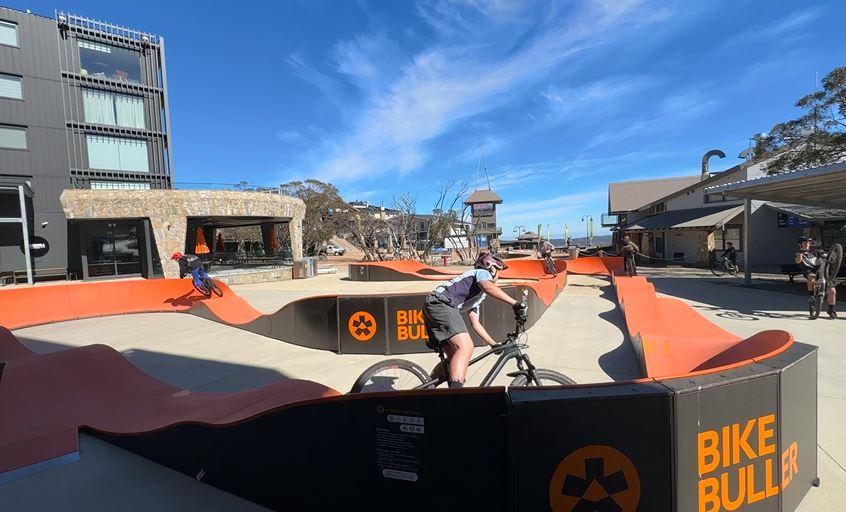
Our inaugural Peak Pursuit is officially in full swing! Day 1 saw our students pushing off into rain, sleet and even snow, but spirits stayed high and everyone made it safely into camp.
As the week has unfolded, the weather has turned kinder and our Year 9s have been bold, creative, resilient - and definitely a little cold!
From all reports, they are absolutely thriving.
What a week.
What a cohort.
Sam Foura
Head of Year 9


Year 9 Business Venture
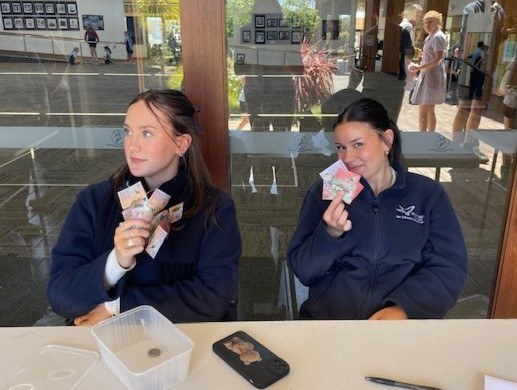
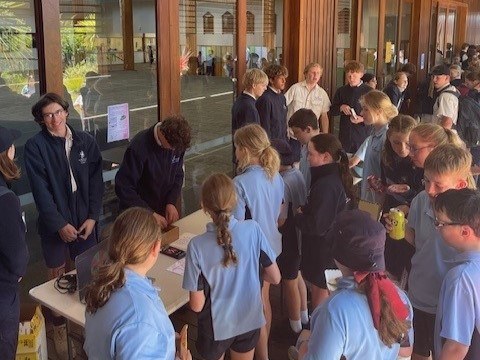
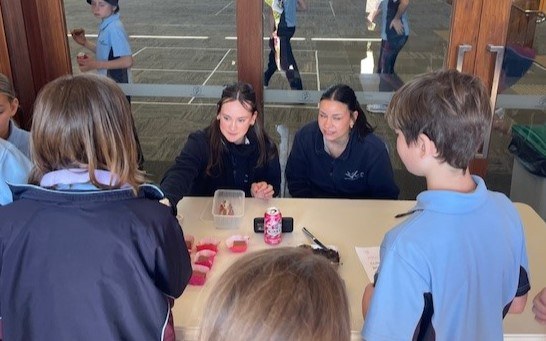
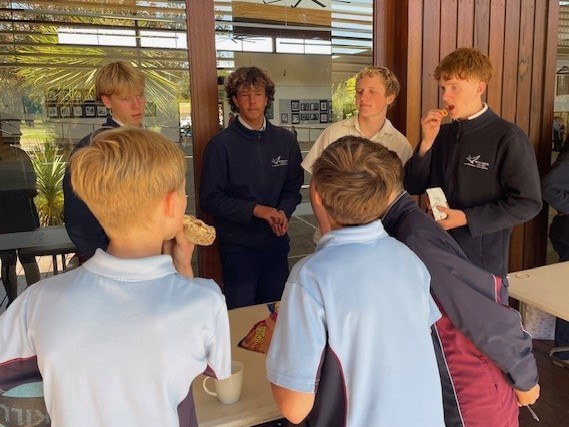
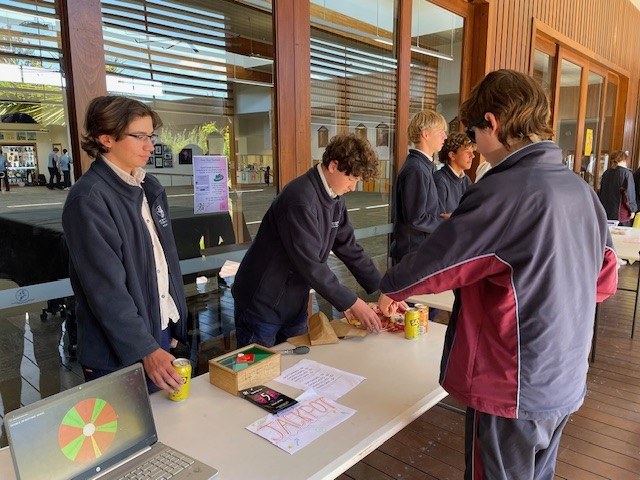
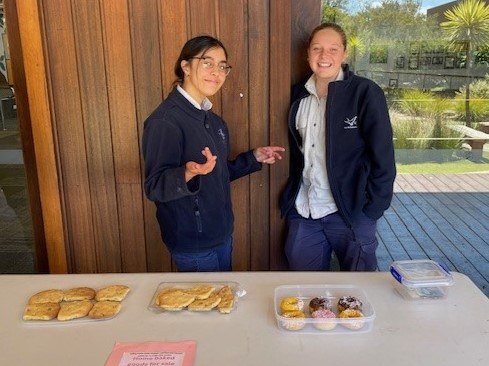
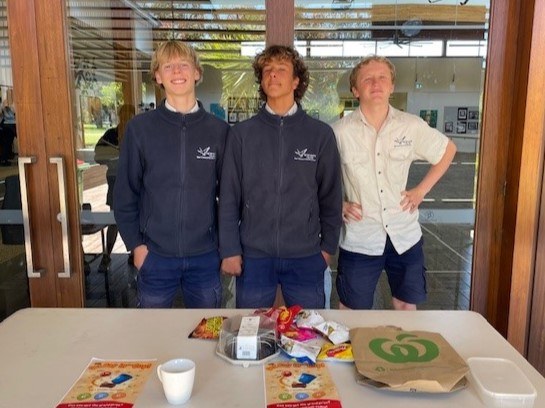
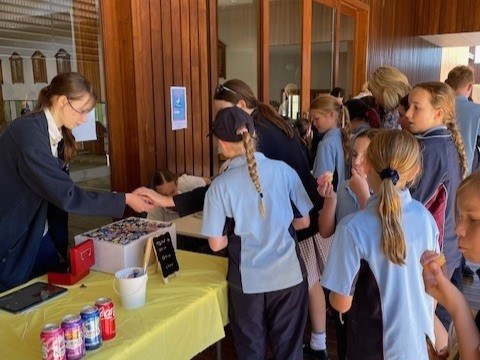
Our Year 9 Business students recently held their market stalls. Students were tasked with sourcing the product, service or idea and preparing all elements of marketing and financial management. Students showed great entrepreneurial and organisational skills and should be very proud of their efforts in operating profitable business ventures.
Anthea Bennett
Head of Careers
Georgia's Brave Shave
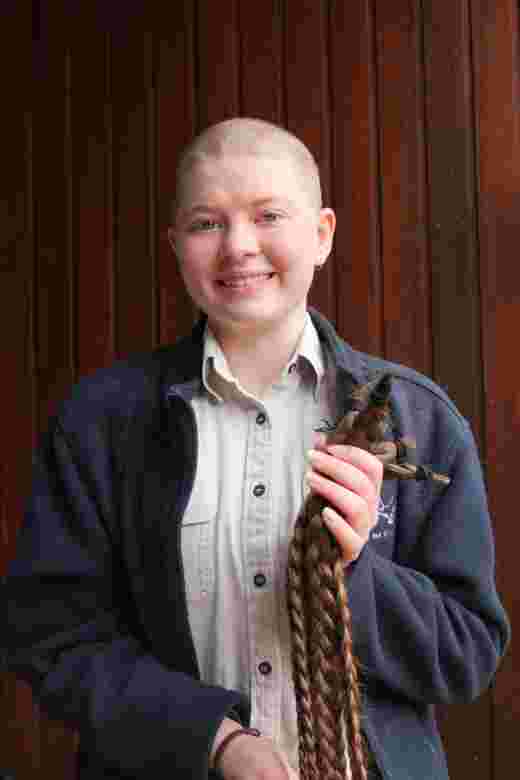
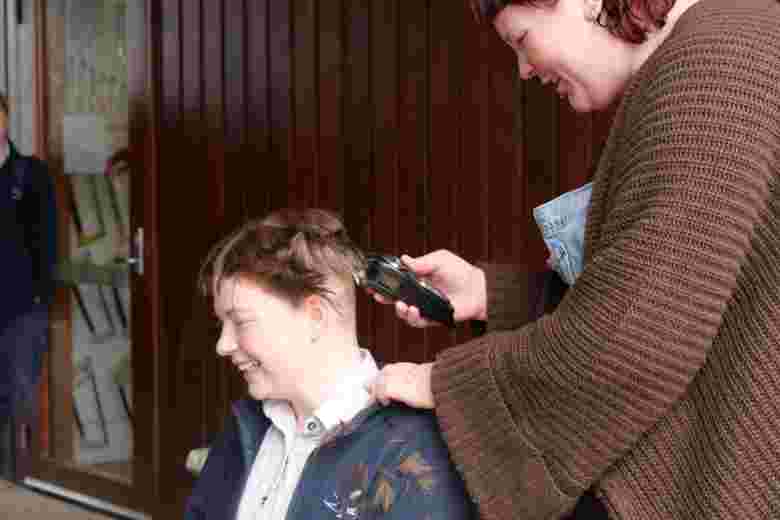
Doing a shave for cancer research has been something I have wanted to do for a few years now. I have lost quite a few family members and close family friends to this horrible disease, so when I was offered to do a fundraiser at the school for my year 9 studies, I took it. It was incredible to see everyone coming to watch all my hair go. I was able to donate my hair to Wigs for Kids and have raised over $4,000 for the Australian Cancer Research Foundation.
A big thank you to everyone who showed up, people who gave money, people who wore a funny hat and a big thank you to my family and my hairdresser, Chloe from Elements Hair Room, who came in on her day off to do this for me.
Doing this shave was never for me, it was for Ray, Merryn, Paul, Sue and all the others who lost their courageous battle or who continue to fight. This is for you.
Donations are still welcome via my fundraising page: https://fundraise.acrf.com.au/fundraisers/georgie
Georgia Sanders
Year 9
Careers
Please be sure to check out this month's Career Newsletter.
There are many opportunities for higher education information sessions and upcoming Open Day information.
The Australian Army are also running an information session on 27 January 2026. Click here for more information.
Anthea Bennett
Head of Careers